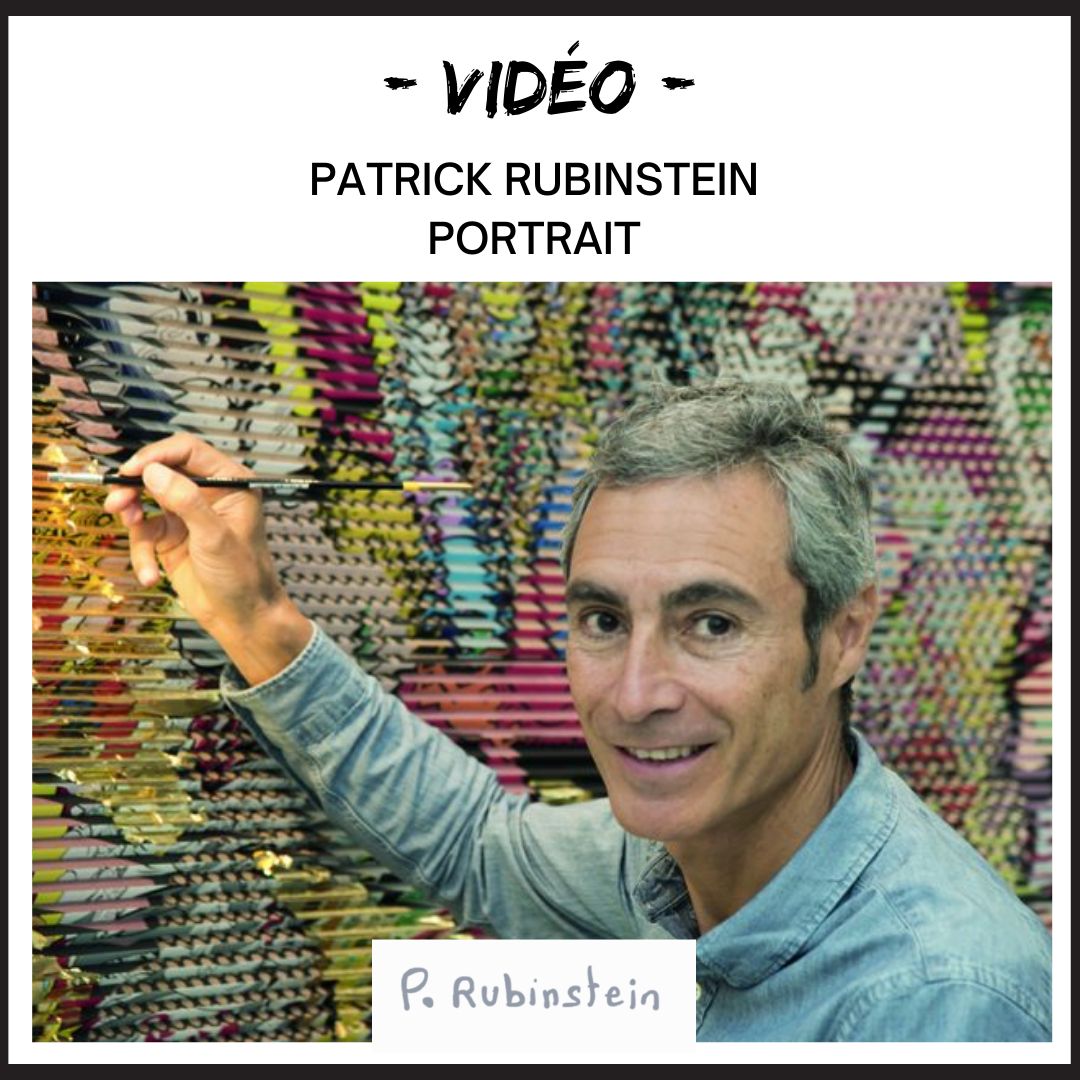
Rubinstein Patrick
Drawing inspiration from the past and the present, Patrick Rubinstein sculpts his works with the precision of a goldsmith. The result is striking, offering us a futuristic and avant-garde creation. Through an innovative process, the artist allows us to see multiple artworks in one.

Artworks
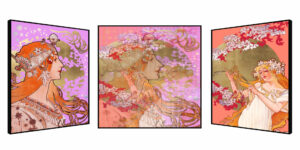
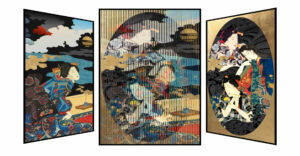
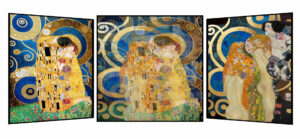
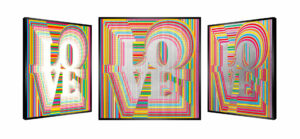


Biography
Drawing inspiration from the past and the present, Patrick Rubinstein crafts his works like a master goldsmith. The result is striking, offering us futuristic and avant-garde pieces.
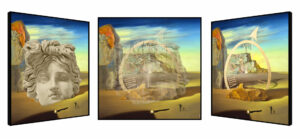
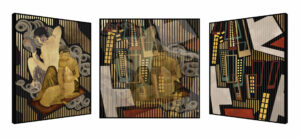
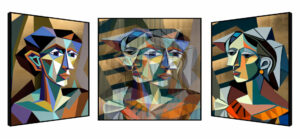
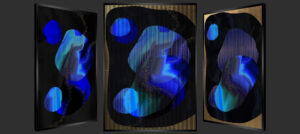
Through an innovative process, the artist allows us to see his creation in three dimensions, making it possible to perceive multiple artworks in one. Three different viewpoints become possible. He works on the concept of kinetic art, a genre that plays with our perceptions and deceives us.
Patrick Rubinstein was born in 1960 in Paris. He grew up in a family that instilled in him a love for art. His mother imparted her passion for cinema, and his father introduced him to the techniques of kinetic art. This early exposure and the influence of pop culture during his youth would be crucial in his future artistic creation.
At the age of 18, he sold his first works. Never giving up on innovation, it was only many years later that the artist perfected his technique and language. Today, he offers a globally recognized body of work.
Playing with the figurative, he reappropriates icons of pop culture and presents them from different angles. He patented the Dooble principle, which involves the fusion of two images designed to blend into one. This new merged image is applied to an accordion-profiled support. Applying the image to this support recreates the two original images at a 45° angle on either side. Several other images, interwoven from the two views, emerge as the viewer moves around the artwork. As a result, the images come to life, a process that has earned him international recognition.`
The Triple principle involves three images, one central and two lateral. The lateral views are created by slats inserted perpendicularly to the central image. They offer two distinct images on either side at a 45° angle. This technique allows for a variation in perception through movement and ensures a clear view of the central image.
The effect of these two techniques is striking, giving the works a lively and constantly changing appearance. Moreover, movement is not the only element affecting perception. Indeed, light intensity and light orientation also play a role in the kinetic effect of the artwork.
Media and videos